
Web Design for Multilingual Websites: Best Practices
In our increasingly globalized world, creating a website that accommodates multiple languages is essential for reaching a diverse and international audience. However, designing a successful multilingual website goes beyond mere translation; it requires careful consideration of various design elements to ensure an inclusive and user-friendly experience. In this guide, we will explore the best practices for designing a multilingual website like ImageWorks Creative that effectively communicates your message across different languages and cultures.
Plan Ahead
Before diving into design, plan your multilingual website strategy. Consider which languages you will support, the target audience for each language, and the cultural nuances that may affect design choices.
Clear Language Selection
Make language selection easy for users. Use clear and prominent language switchers, typically placed in the header or footer, to allow visitors to choose their preferred language.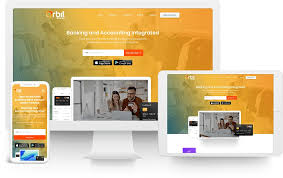
Responsive Design
Ensure that your website design is responsive and adapts gracefully to different screen sizes and devices. Mobile-friendliness is crucial, as users from diverse regions may access your site on various devices.
Unicode and Font Selection
Use Unicode characters to support different languages’ scripts and characters. Choose web-safe fonts that can display the characters of multiple languages accurately. Google Fonts and other web font services offer a wide selection.
Right-to-Left (RTL) and Left-to-Right (LTR) Languages
If your multilingual website includes RTL languages (e.g., Arabic or Hebrew), ensure that your design accommodates these languages. Pay attention to text alignment, navigation menus, and overall layout.
ImageWorks Creative
44679 Endicott Drive, Suite 300 Unit 580, ashburn, virginia, 20147
7039287309
Consistent User Interface Elements
Maintain consistency in user interface elements, such as buttons, forms, and icons, across all language versions of your website. Consistency enhances usability and familiarity for users.
Localized Content
Tailor content to each language and culture. Avoid direct translations; instead, adapt content to resonate with the specific audience’s cultural context, preferences, and sensitivities.
Navigation and Menus
Translate navigation labels and menu items accurately. Be mindful of text length variations between languages, as longer words may require layout adjustments. Consider using a hamburger menu for mobile devices to accommodate longer text.
URL Structure
Choose a clear and consistent URL structure for your multilingual website. Implement language-specific URLs or subdomains (e.g., example.com/en/ or en.example.com) for each language version.
Hreflang Tags
Utilize hreflang tags in the HTML header to specify the language and regional targeting of each page. Hreflang tags help search engines understand which language version to display to users based on their location and language preferences.
Image and Media Localization
Translate image captions, alt text, and multimedia content to provide a comprehensive experience for users of different languages.
Date and Time Formats
Adjust date and time formats to match regional conventions. Use international date formats (e.g., yyyy-mm-dd) to avoid confusion.
Content Flow and Readability
Pay attention to content flow and readability. Languages read from left to right (LTR) and right to left (RTL), so design your layout to ensure that text flows naturally for all languages.
Testing and User Feedback
Test your website with native speakers of the languages you support. Gather feedback on usability, content accuracy, and cultural sensitivity. Continuous testing and feedback are crucial for refining your multilingual web design.
Designing a multilingual website requires thoughtful planning and consideration of cultural, linguistic, and technical aspects. By following these best practices, you can create a user-friendly and inclusive web experience that effectively communicates your message to a global audience. Remember that ongoing maintenance and updates are essential to keep your multilingual website relevant and aligned with the diverse needs and expectations of your users.
Leave a Reply