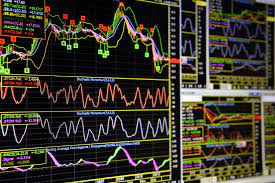
Harnessing the Power of Technical Analysis through Forex Indicators
Technical analysis is a fundamental tool in the arsenal of forex traders worldwide. At its core, it involves the study of historical price data and the use of various forex indicators to make informed trading decisions. This article explores how traders can harness the power of technical analysis through forex indicator to enhance their trading strategies and improve their chances of success.
Understanding Technical Analysis
Technical analysis relies on the idea that past price movements, trading volumes, and other market data can provide valuable insights into future price movements. It is based on several key principles:
- Price Discounts Everything: Technical analysts believe that all available information is already reflected in the price of a currency pair. This means that there is no need to analyze external factors like news events or economic data directly.
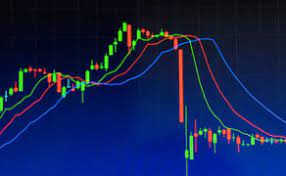
- Price Moves in Trends: Another central tenet of technical analysis is the belief that price tends to move in trends. Traders use various tools and indicators to identify and follow these trends.
- History Tends to Repeat Itself: Technical analysts assume that historical price patterns and behaviors are likely to repeat themselves. They use this assumption to identify potential trading opportunities.
Harnessing the Power of Forex Indicators
Forex indicators are essential tools in technical analysis. They help traders make sense of complex price data and provide valuable insights into market conditions. Here’s how traders can leverage forex indicators effectively:
- Trend Identification: One of the primary uses of forex indicators is to identify trends. Moving averages, for example, can help traders smooth out price data and spot trend direction. Traders can use indicators like the Moving Average Convergence Divergence (MACD) or the Average Directional Index (ADX) to confirm trends and gauge their strength.
- Entry and Exit Points: Forex indicators can assist traders in identifying potential entry and exit points. For instance, the Relative Strength Index (RSI) and Stochastic Oscillator can help identify overbought or oversold conditions, signaling potential reversal points.
- Volatility Assessment: Volatility indicators, such as Bollinger Bands and the Average True Range (ATR), help traders gauge market volatility. This information is valuable for setting stop-loss and take-profit levels and managing risk effectively.
- Divergence and Convergence: Traders often use indicators to identify divergence or convergence between an indicator and the price chart. Divergence can signal potential reversals, while convergence can confirm trends.
- Confirmation of Signals: Traders can use multiple indicators to confirm signals. For example, if a moving average crossover aligns with a momentum indicator signal, it can provide higher confidence in a trade setup.
- Risk Management: Forex indicators can aid in risk management by helping traders determine position sizes and set appropriate stop-loss levels based on historical price volatility.
- Customization: Many trading platforms allow traders to customize their indicator settings, enabling them to adapt indicators to their specific trading strategies and preferences.
Conclusion
In the world of forex trading, technical analysis and forex indicators go hand in hand. Traders who learn to harness the power of these indicators gain a valuable edge in understanding market dynamics, identifying trends, and making well-informed trading decisions. However, it’s essential to remember that while forex indicators provide valuable insights, they should be used as part of a comprehensive trading strategy that includes risk management and discipline. By mastering the art of technical analysis and incorporating forex indicators effectively, traders can increase their odds of success in the dynamic and challenging world of forex trading.
Leave a Reply